What Are the Differences Between Canker Sores and Cold Sores?
What Are the Differences Between Canker Sores and Cold Sores? Did you know that nearly…

Did you know that nearly 70% of adults carry the herpes simplex virus (HSV-1), the culprit behind cold sores? Meanwhile, about 20% of people regularly experience canker sores, which are not contagious at all.
With both conditions so common, it’s no surprise that many people confuse them. Both can make eating, drinking, brushing your teeth, and even talking feel uncomfortable or even embarrassing.
Although their names sound alike, canker sores and cold sores are not the same at all. Knowing the difference is important because it changes how you treat and prevent these mouth lesions.
For Cold Sores Dermatologists often recommend over-the-counter options like Blistex Cold Sore Treatment Docosanol Cream 10%, which contains the FDA-approved ingredient Docosanol Cream (10%) to provide soothing relief and support healing. Canker sores can be treated with an ADA-accepted liquid or gel, like Kank-A.
In this article, we’ll compare canker sore vs cold sores and learn about what causes them and the best treatment options available.
Here’s a quick comparison to help you see the main differences between canker sores and cold sores at a glance:
| Feature | Canker Sores | Cold Sores |
| Cause | Not caused by a virus; exact cause unknown (can be triggered by stress, injury, or certain foods) | Caused by herpes simplex virus (HSV-1) |
| Contagious? | Not contagious | Very contagious |
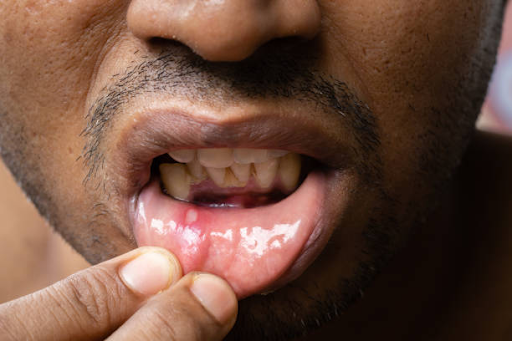
| Where they appear | Inside the mouth (gums, tongue, cheeks, inner lips) | Outside the mouth, usually on or around the lips |
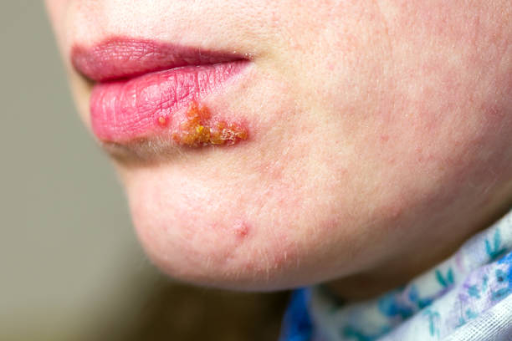
| Appearance | Small, oval, or round sores with a white or yellow center and red border | Fluid-filled blisters that break open, scab, and then heal |
| Types | Minor: Small Ulcers, Less than 1 cm, No Scarring Major: Ulcers Larger than 1 cm, Painful, Can Cause Scarring Herpetiform: Tiny clusters, 10-100 at a time, can merge into irregular ulcers. | Mostly one type: Appears in small clusters of fluid filled blisters that burst out. HSV-1 typically causes oral herpes (cold sores) spread through oral contact like kissing or sharing drinks; however, it can also cause genital herpes through oral-genital contact. HSV-2 primarily causes genital herpes and is usually spread through sexual contact; it tends to recur more often than HSV-1. |
| Symptoms | Tingling/burning before the sore, pain while eating, drinking, or talking | Tingling/itching before the blisters, painful blisters, cracked lips, scabs |
| Treatment | Occlusive agents (e.g., Kank-A® Mouth Pain Liquid), local anesthetics, mouthwashes, and NSAIDs. | Over-the-counter creams (e.g., Blistex Cold Sore Treatment Docosanol Cream 10%), oral antiviral drugs, and pain relief medications. |
Your doctor can usually tell whether you have a canker sore or a cold sore just by looking at the lesion and asking about your medical history. To confirm cold sores, they might take a small sample from the sore and test it for the herpes virus (HSV).
There are three main types of canker sores, each with the same symptoms and different healing times:
Here are some of the most common symptoms of canker sores:
Cold sore symptoms aren’t the same for everyone. Some people don’t notice any symptoms the first time they’re infected, while others may feel like they’re coming down with the flu. When cold sore symptoms show up, they can last up to 14 days, with some even resolving sooner with proper treatment.
Here are the common signs you might notice:
If you’ve never had HSV-1 before, your first infection can look very different. Instead of just a few blisters, you might get a condition called herpes gingivostomatitis. This causes a fever and dozens of painful sores inside the mouth, on the gums, and across the tongue – not to be confused with canker sores.

Pro Tip:
Pay attention to tingling or burning sensations before a sore appears. Starting treatment at this early stage often makes healing faster and less painful.
Canker sores and cold sores look similar, but they have different causes. Let’s take a look at what causes these mouth sores.
According to the National Institute of Dental and Craniofacial Research (NIDCR), canker sores are not contagious. You can’t get them by making contact with someone who has them. That said, the exact cause of canker sores isn’t known.
However, several factors are believed to play a role:
Pro Tip:
Track your food and lifestyle habits in a journal. This can help you spot personal triggers like spicy foods or stress that can cause canker sores.
Cold sores are caused by the herpes simplex virus. Unlike canker sores, they can easily spread from one person to another.
Once you’re infected, the virus stays in your body forever and can flare up again when triggered.
Pro Tip:
If you know you get cold sores after too much sun exposure, use a lip balm with SPF daily. It’s easier to prevent a cold sore than to treat one.
The main difference between a canker sore and a cold sore lies in their cause and location. Here’s how you can tell them apart.
Canker sores aren’t as predictable as cold sores and only occur inside your mouth, not on the outside. They usually begin as a small, painful ulcer and can grow larger over a few days. Sometimes, you might notice a tingling feeling before they show up.
You can get canker sores on:
Canker sores usually appear in a round or oval shape with a yellow or white center and a red border. They vary in size:

Cold sores usually start as a cluster of tiny blisters on the outside of your lip, often near the corner. They can also appear around the nose or eyes. Over a couple of days, these blisters grow, break open, and turn into painful open sores. After that, they crust over and heal slowly. The whole process can take about two weeks.
Canker sores and cold sores often heal naturally over time, but the healing time varies from one person to another. Minor canker sores often go away in 1 week, while cold sores can take 2 weeks. If the pain is too severe or the sores keep recurring, then you can use certain treatments and home remedies to help fight the sores.
There are simple home remedies that can help with canker sores and cold sores, but there isn’t enough evidence to prove how effective they are. Therefore, be cautious and talk to your healthcare provider if you experience any irritation while using these remedies.
Apple cider vinegar (ACV) is a common home remedy that you can use for canker sores. It has antibacterial properties and therefore reduces oral bacteria, speeding up the healing process.
However, since it’s acidic, it can sometimes irritate or worsen canker sores. Therefore, use it carefully.
How to use it:
It’s important to note that ACV can weaken and damage tooth enamel due to its acidic nature. So, rinse your mouth thoroughly after using it.
Salt water is one of the simplest and most trusted home remedies for canker sores. While it can sting a little, rinsing your mouth with salt water may help dry out the sore and reduce the swelling. It’s safe, easy to make, and can be repeated throughout the day when needed.
How to use it:
Another easy at-home treatment for canker sores is baking soda. It works by balancing the pH in your mouth and calming irritation, which can make the sore feel less painful. Although it has a slightly salty taste, it is safe and gentle to use.
How to use it:
Since cold sores appear on the outside of your lips or mouth and are caused by a virus, home remedies focus on managing outbreaks, easing discomfort, and preventing the sores from spreading.
Aloe vera is well-known for its soothing effects. Applying a small amount of pure aloe vera gel to your cold sore can cool the area, reduce irritation, and keep it moisturized. This may also help you heal faster.
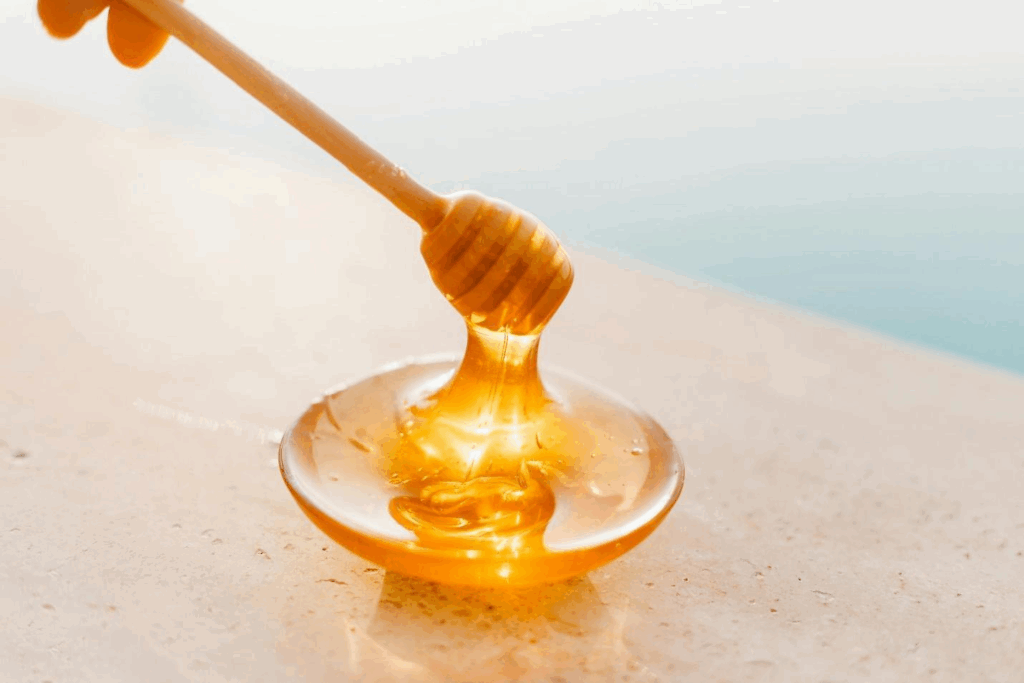
Honey’s antibacterial and anti-inflammatory qualities can soothe cold sores and help them heal faster. It can reduce pain, swelling, and redness, while also protecting the sores from infection.
To use it, apply a tiny bit of honey directly to the sore four times a day. For the best results, use raw or unprocessed honey. Store-bought honey is often heated, so it may no longer have therapeutic properties.
You can also use an ice or cold press to ease cold sore pain. Wrap an ice cube in a cloth or use a cold washcloth, then hold it on the sore for a few minutes. This helps numb the pain and reduce swelling. However, you need to be careful not to put ice directly on your skin, as it can cause irritation or damage.
Putting sunscreen on your lips can help prevent cold sores. Sunlight can sometimes trigger an outbreak, so using a lip balm with SPF 30 or higher gives your lips protection and lowers the chance of sores coming back.
If your symptoms don’t go away, you may need to see a dentist or primary care doctor who may recommend one of the following options:
Medical treatment for canker sores typically falls into these four categories:
Topical creams and ointments are common medical treatments used to treat cold sores: These are applied directly to the sore and work best when you start using them as soon as you feel that first tingle. These products are designed to:
Blistex offers a Cold Sore Treatment Docosanol Cream 10%, recommended by dermatologists, to help manage cold sores. The FDA-approved active ingredient in this product, Docosanol 10%, penetrates the skin quickly and blocks the HSV-1 virus from entering surrounding cells. Because Blistex is available over the counter, it’s a convenient option you can start using right away when you notice symptoms. Unlike many home remedies, it’s specially formulated to provide quicker and longer-lasting relief.

Dermatologist recommendation:
“I recommend Blistex for treating cold sores.” – Dr. Bradley Glodny (a board-certified dermatologist)
Pro Tip:
Start using antiviral creams like Blistex Cold Sore Treatment Docosanol Cream 10% when you feel the first tingle. Early use helps prevent outbreaks and provides quick relief.
Canker sores and cold sores are both painful and can make eating uncomfortable. The good news is that you can lower your chances of getting them, especially if you know what triggers them.
To prevent canker sores:
To prevent cold sores:
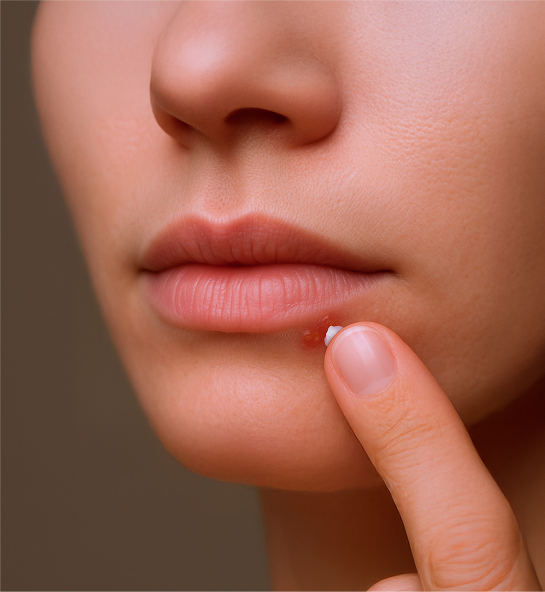
Most canker sores and cold sores heal on their own, but you may need to seek medical care if:
The main difference between canker sore and cold sore lies in their cause and location. Canker sores usually form inside the mouth and can be caused by a range of factors. Cold sores, on the other hand, are caused by the herpes virus (HSV-1) and often appear on or around the lips. They are contagious and can be spread by kissing or sharing utensils with infected people.
Both types of sores can be painful and can affect the quality of your life. For cold sores, over-the-counter treatment options, like Blistex Cold Sore Treatment Docosanol Cream 10% & Blistex Cold Sore Fast-Acting Pain Relief, can help relieve pain, soothe irritation, and support healing.
But if your sores are very painful or take longer than usual to heal, it’s best to talk to a healthcare provider. This way, you can rule out other health issues and find the right treatment.

Immediate, targeted treatment to help shorten healing time and relieve pain & itching of cold sores
Sources:

Jennifer Towns developed her early interest in aesthetic health and beauty sciences, later specializing in lip care and treatment. She has worked in both clinical and cosmetic settings, focusing on restorative and preventive techniques to help patients maintain healthy, natural-looking lips.

Dr. Walter Hunt is a board-certified specialist in dermatology and cosmetic medicine, with a strong focus on lip health and rejuvenation. Over the years, he has combined medical research with hands-on practice, providing innovative treatments designed to enhance lip care, hydration, and overall aesthetic wellness.
What Are the Differences Between Canker Sores and Cold Sores? Did you know that nearly…

Are Cold Sores Contagious? Tips to Stop the Spread and Heal Faster. Cold sores are…

What Causes Cold Sores? Cold sores are caused by a virus that primarily enters the…
Blistex Cold Sore Treatment Docosanol Cream 10% works best when applied at first tingle. Buy at a retailer near you.
 Shop Now
* Among some Dermatologists who recommended at least one brand for lip moisturization and treatment of chapped lips in a ProVoice® 2023 survey